Differenze tra le versioni di "Habitat naturale di Rauccio/en"
(Creata pagina con "The protected area is extended for 1600 hectares, from Lecce towards Torre Chianca, and it preserves an important biodiversity heritage. It is the only part left of the old fo...") |
(Creata pagina con "Two streams flow in the protected area, Idume and Fetida, crossing the Mediterranean scrub next to the wetland known as “Specchia della Milogna”. Beside the presence of th...") |
||
| Riga 9: | Riga 9: | ||
The protected area is extended for 1600 hectares, from Lecce towards Torre Chianca, and it preserves an important biodiversity heritage. It is the only part left of the old forest of Lecce, constituted mainly by holm oak trees (in Italian “leccio”, word that gave the name to the city of Lecce). | The protected area is extended for 1600 hectares, from Lecce towards Torre Chianca, and it preserves an important biodiversity heritage. It is the only part left of the old forest of Lecce, constituted mainly by holm oak trees (in Italian “leccio”, word that gave the name to the city of Lecce). | ||
| − | + | Two streams flow in the protected area, Idume and Fetida, crossing the Mediterranean scrub next to the wetland known as “Specchia della Milogna”. Beside the presence of the Mediterranean scrub species, such as myrtle, the area conserves very rare vegetal species, like the Orchis Palustris. | |
A Rauccio si fermano ogni anno migliaia di '''uccelli migratori''', che qui trovano un ambiente ideale, come upupe e tortore. Dagli appostiti capanni per l’osservazione dell’avifauna sono stati avvistati anche dei '''cigni'''. | A Rauccio si fermano ogni anno migliaia di '''uccelli migratori''', che qui trovano un ambiente ideale, come upupe e tortore. Dagli appostiti capanni per l’osservazione dell’avifauna sono stati avvistati anche dei '''cigni'''. | ||
[[File:LECCE Idume Rauccio.jpg|400px]] | [[File:LECCE Idume Rauccio.jpg|400px]] | ||
Versione delle 11:42, 2 feb 2016
| Habitat naturale di Rauccio/en | |
|---|---|
| Comune | Lecce |
| Tipologia | Conoscenza della Natura |
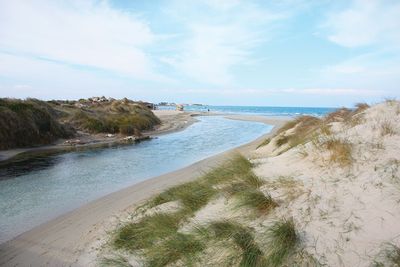
A green oasis situated right outside the city of Lecce. The regional park “Bosco e paludi di Rauccio” is a protected area since 2002.
The protected area is extended for 1600 hectares, from Lecce towards Torre Chianca, and it preserves an important biodiversity heritage. It is the only part left of the old forest of Lecce, constituted mainly by holm oak trees (in Italian “leccio”, word that gave the name to the city of Lecce).
Two streams flow in the protected area, Idume and Fetida, crossing the Mediterranean scrub next to the wetland known as “Specchia della Milogna”. Beside the presence of the Mediterranean scrub species, such as myrtle, the area conserves very rare vegetal species, like the Orchis Palustris.
A Rauccio si fermano ogni anno migliaia di uccelli migratori, che qui trovano un ambiente ideale, come upupe e tortore. Dagli appostiti capanni per l’osservazione dell’avifauna sono stati avvistati anche dei cigni.

| Habitat naturale di Rauccio/en | |
|---|---|
| Comune | Lecce |
| Tipologia | Conoscenza della Natura |
A green oasis situated right outside the city of Lecce. The regional park “Bosco e paludi di Rauccio” is a protected area since 2002.
The protected area is extended for 1600 hectares, from Lecce towards Torre Chianca, and it preserves an important biodiversity heritage. It is the only part left of the old forest of Lecce, constituted mainly by holm oak trees (in Italian “leccio”, word that gave the name to the city of Lecce).
Due fiumi scorrono nel parco, l’Idume e il Fetida, che attraversano la macchia mediterranea a poca distanza dall’ampia zona umida detta specchia della Milogna. Lentisco, mirto e la rara orchidea palustre sono solo alcune delle varietà vegetali presenti, mentre la ricca fauna comprende esemplari di rospo smeraldino, raganella italiana e tasso.
A Rauccio si fermano ogni anno migliaia di uccelli migratori, che qui trovano un ambiente ideale, come upupe e tortore. Dagli appostiti capanni per l’osservazione dell’avifauna sono stati avvistati anche dei cigni.
