Differenze tra le versioni di "Lavorazione della pietra leccese/en"
(Creata pagina con "Some artisans still work today with this stone, in the traditional method, through gouges. Many of them are based in Cavallino. Moreover, few extraction mines are present in t...") |
(Creata pagina con "The precious work of Cavallino’s artisans can be admired through the stunning decoration elements, monuments, statues as well as creative objects like clocks, candleholders...") |
||
| Riga 9: | Riga 9: | ||
Some artisans still work today with this stone, in the traditional method, through gouges. Many of them are based in Cavallino. Moreover, few extraction mines are present in this area. | Some artisans still work today with this stone, in the traditional method, through gouges. Many of them are based in Cavallino. Moreover, few extraction mines are present in this area. | ||
| − | + | The precious work of Cavallino’s artisans can be admired through the stunning decoration elements, monuments, statues as well as creative objects like clocks, candleholders and design elements. | |
[[File:Cavallino - Pietra Leccese.jpg|400px]] | [[File:Cavallino - Pietra Leccese.jpg|400px]] | ||
Versione attuale delle 10:40, 1 feb 2016
| Lavorazione della pietra leccese/en | |
|---|---|
| Comune | Cavallino |
| Tipologia | Tradizioni Artigianali |
Pietra leccese is a particular kind of stone from this region. It was used in the past for construction and it is always present in the baroque architecture. The majority of the churches in Salento, have been realised through the use of gouges and with a high ability of the artisans.
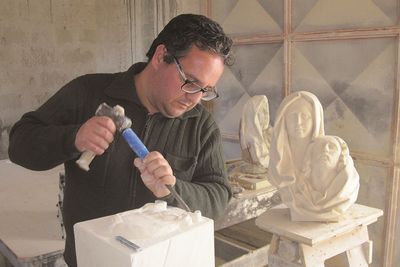
Some artisans still work today with this stone, in the traditional method, through gouges. Many of them are based in Cavallino. Moreover, few extraction mines are present in this area.
The precious work of Cavallino’s artisans can be admired through the stunning decoration elements, monuments, statues as well as creative objects like clocks, candleholders and design elements.

| Lavorazione della pietra leccese/en | |
|---|---|
| Comune | Cavallino |
| Tipologia | Tradizioni Artigianali |
Pietra leccese is a particular kind of stone from this region. It was used in the past for construction and it is always present in the baroque architecture. The majority of the churches in Salento, have been realised through the use of gouges and with a high ability of the artisans.
Some artisans still work today with this stone, in the traditional method, through gouges. Many of them are based in Cavallino. Moreover, few extraction mines are present in this area.
Dal loro prezioso lavoro nascono tuttora straordinari elementi architettonici ispirati alle forme del mondo vegetale o animale, importanti monumenti e statue, ma anche manufatti originali come orologi, portacandele e oggetti di design che si possono inserire sia in ambienti dallo stile classico che in arredi contemporanei.
