Differenze tra le versioni di "Distillerie/en"
Da SAC Terre di Lupiae .
(Creata pagina con "San Cesario was known for its alcohol production and its distilleries. In the beginning of 900s there were producers of fine liquors, like anisette and sambuca") |
(Creata pagina con "These producers were quite small, but their quality made them space at the national level.") |
||
| Riga 7: | Riga 7: | ||
San Cesario was known for its alcohol production and its distilleries. In the beginning of 900s there were producers of fine liquors, like anisette and sambuca | San Cesario was known for its alcohol production and its distilleries. In the beginning of 900s there were producers of fine liquors, like anisette and sambuca | ||
| − | + | These producers were quite small, but their quality made them space at the national level. | |
Silos e caldaie a vapore erano gli antichi macchinari con cui si otteneva l’alcol denaturato. Oggi alcuni di questi stabilimenti sono diventati tesori dell’'''archeologia industriale''', altri continuano a produrre distillati di qualità con le più moderne tecnologie. | Silos e caldaie a vapore erano gli antichi macchinari con cui si otteneva l’alcol denaturato. Oggi alcuni di questi stabilimenti sono diventati tesori dell’'''archeologia industriale''', altri continuano a produrre distillati di qualità con le più moderne tecnologie. | ||
Versione delle 10:31, 4 feb 2016
| Distillerie/en | |
|---|---|
| Comune | San Cesario di Lecce |
| Tipologia | Tradizioni Culinarie |
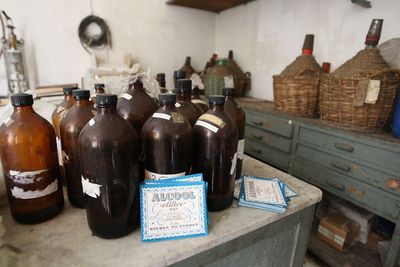
San Cesario was known for its alcohol production and its distilleries. In the beginning of 900s there were producers of fine liquors, like anisette and sambuca
These producers were quite small, but their quality made them space at the national level.
Silos e caldaie a vapore erano gli antichi macchinari con cui si otteneva l’alcol denaturato. Oggi alcuni di questi stabilimenti sono diventati tesori dell’archeologia industriale, altri continuano a produrre distillati di qualità con le più moderne tecnologie.